
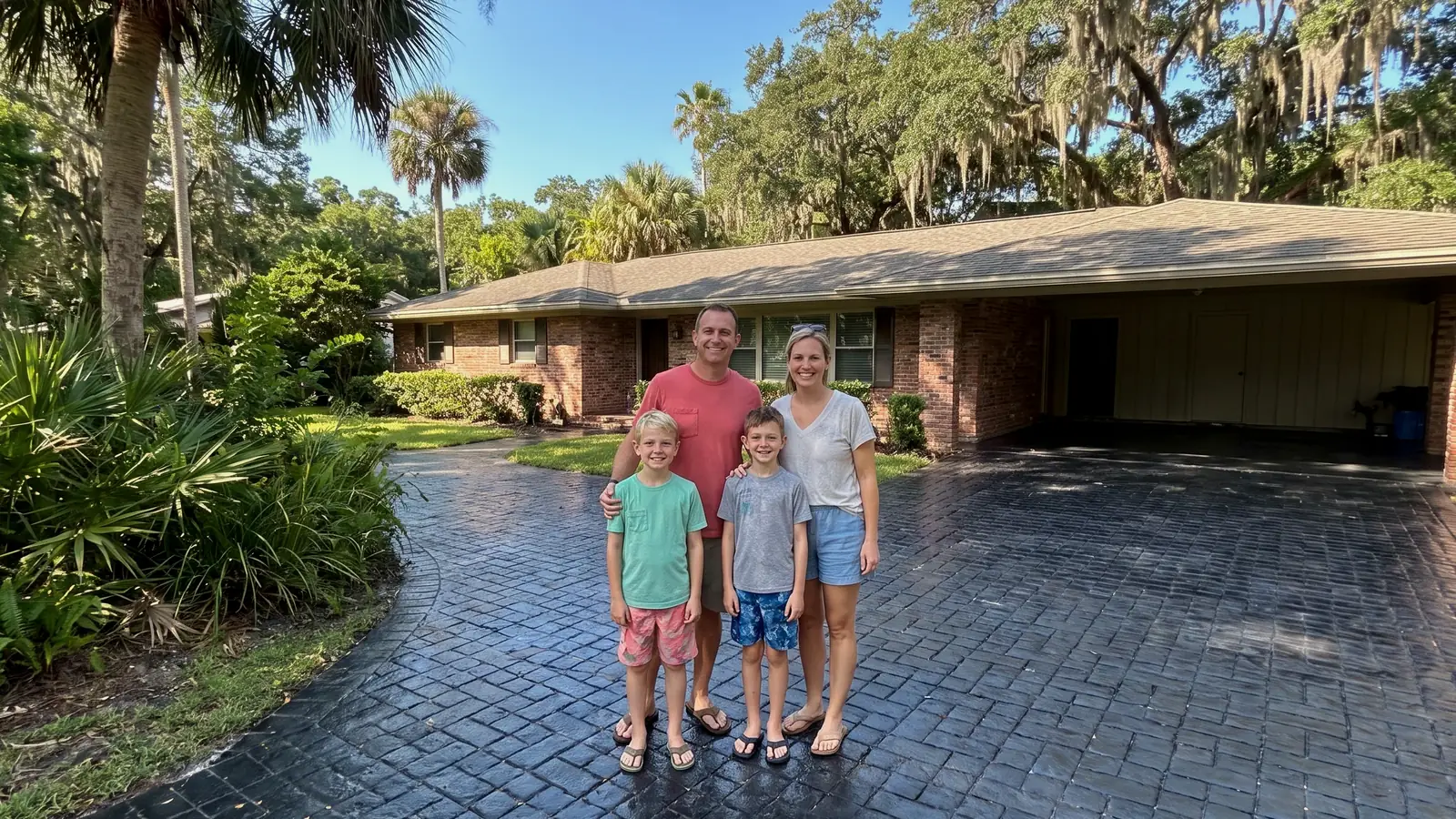
Paver sealing for Westchase homes
Paver Sealing in Westchase, FL
Westchase pavers by the ponds and golf greens stay damp and dark, so call (656) 254-3514 for a free estimate.
- Brings out deeper paver color
- Fresh joint sand helps lock pavers in place
- Gives weeds less room to grow
- Makes the surface easier to keep clean
- Free estimate, no obligation
Request a Free Estimate
Free, no obligation.
Fast, careful paver sealing in Westchase
Paver sealing in Westchase comes with a free estimate from a local contractor, whether the pavers sit on a golf course lot or a village street. The contractor cleans, re-sands and seals driveways, courtyards, lanais and pool decks. Book a visit and an answer comes back within 1 business day, usually much sooner. To begin, send a free estimate request.
Westchase has been building since 1991, which means some pavers here have seen thirty summers and a coat or two of sealer. If yours show gray streaks, dark patches near the pond or joints gone thin, a wash and a new coat can reset them. Call (656) 254-3514 to talk it over. There is no cost for the first look.
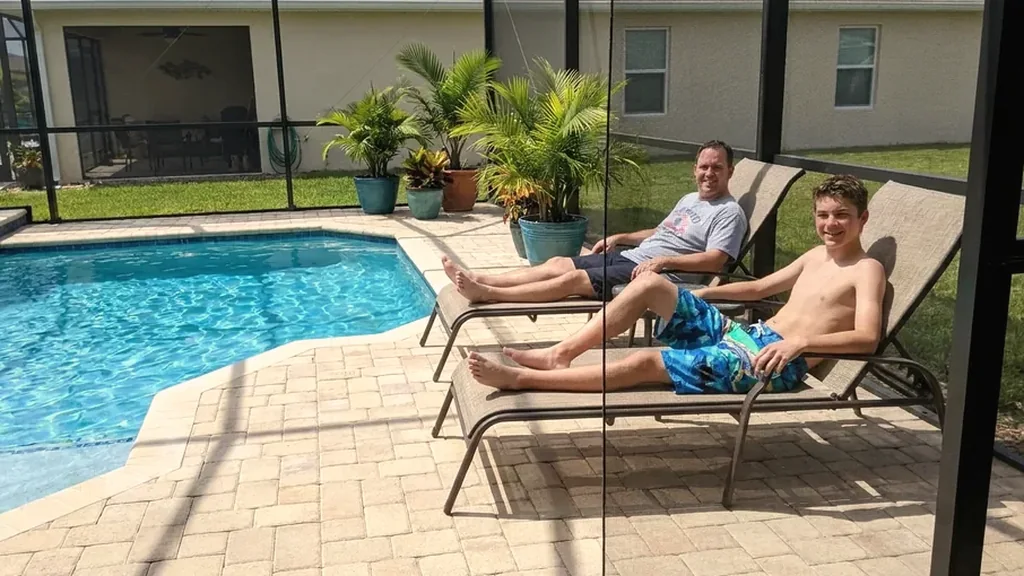
Why hire a local paver sealing contractor in Westchase?
In Westchase the pavers are part of a look that 28 villages work to keep consistent. A local contractor who understands that can match your finish to the street, and you can send a free estimate request to ask how. The visit is free.
Free look and a clear price
The contractor measures your pavers and gives a number before anything is booked. The visit costs nothing.
The range to measure each bid by
Tampa Bay companies commonly publish $1.25 to $2.50 a square foot. Compare any Westchase quote to that.
Finishes that suit the village
Matte keeps a quiet look beside the neighbors, and wet look adds depth. Ask for a sample patch before choosing.
Pond and shade know-how
Pavers beside ponds and conservation areas dry slowly. A local contractor plans the wash and the wait around that.
Get Your Free Estimate in Westchase
Tell us about your pavers in Westchase.
Free, no obligation
What paver problems show up most in Westchase?
Dark staining beside ponds and greens
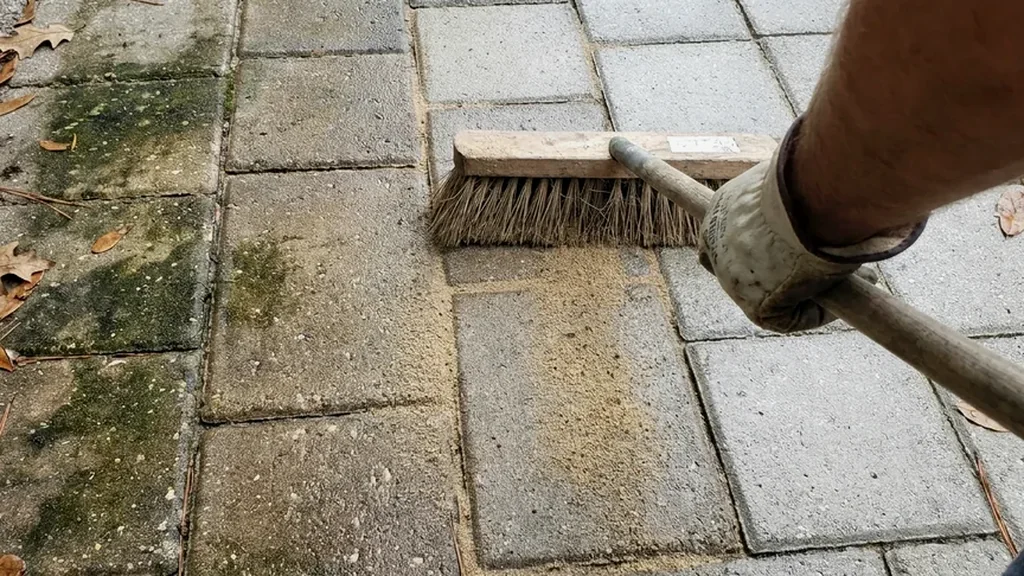
A local company points out that many Westchase properties back up to conservation areas, ponds or golf greens, and that mature trees often shade the pavers. That slows drying after rain and sprinklers, which can encourage algae and dark staining. Moss usually grows only where shade is heavy and the surface stays wet. A shaded lanai edge that faces water is the usual first spot to turn green. The wash clears it, and sealer goes on only after the pavers dry through. Think of the north side of a courtyard that never gets sun after noon. That is where a brown film tends to settle in first, and it is the part neighbors notice from the street. When the film is gone, the color underneath often looks a shade lighter than you remember. That is the before-and-after most owners notice first.
Old sealer from decades of resealing
Westchase was founded in 1991, so many driveways have been sealed more than once. Over thirty years, an owner may have used a product nobody wrote down. The reason is that a water-based coat will not hold over a solvent-based one. A contractor who has seen older pavers identifies what is on the surface before choosing what comes next. Peeling or cloudy patches hint that the old coat has to be dealt with first. Ask your contractor to test a small spot, so there are no surprises. The answer saves a second visit, and it keeps a good new coat from failing early. The contractor can tell by touch and by a small test patch, and the answer is written on your estimate.
Sprinkler overspray on coordinated driveways
Many Westchase homes use matching brick pavers for drives, courtyards and lanai extensions, so one stained corner shows. The local company mentions overspray as a factor. University of Florida extension blames orange streaks on iron-rich irrigation water. Rust lines on the apron near the street usually mean a sprinkler head hits the paver. These marks are treated before sealing, since sealer would trap them. On coordinated streets, one clean driveway beside a streaked one looks odd, so owners often fix the apron first. Ask the contractor to check where the sprinkler spray lands. After the job, a quick look at the sprinkler zones keeps the lines from coming back, and you can ask the contractor to check them with you.
Joint sand that thins out after years of rain
Rain here comes in a long wet season, from late May into early October. Each season, heavy rain and sprinklers carry a bit of sand from the joints. On pavers that are thirty years old, open joints let soil in and weeds follow. Fresh sand goes in after the wash, so the sealer has full joints to hold. Edge pavers along a curb or pond bank go first. During the estimate walk, the contractor can point to the joints that sit low. Pavers that are thirty years old are not worn out. They need full joints and a clean surface to look right again.
Pool decks and lanais that lose their color
Community pools and private lanais both get long hours of sun. Pavers on a pool deck fade, and sealed ones can turn dull where chairs rest. Wet look gives a deeper tone, but matte hides scuffs longer. Pick the finish with your neighbors' look in mind. A tint can even out a deck that faded in patches, and a non-slip option helps where bare feet are common. Where people walk barefoot, ask the contractor about grip before you decide on a gloss.
Does my Westchase village affect how I seal pavers?
Do village rules touch exterior pavers?
It can, since the Westchase Community Association is organized into 28 villages, each with its own elected voting member. Some villages keep their own websites too. Check your village rules on exterior changes before you choose a finish, then send a free estimate request. The contractor can give you the sealer name and finish to share with your board.
What makes West Park Village different?
West Park Village is a different kind of Westchase street. It has two town centers, village greens and a mix of condos, townhomes and houses, and its look was inspired by historic Hyde Park in South Tampa. Pavers there often sit on shared walkways, patios and courtyards, so the sealer needs to read clean and even. For a patio near West Park Village, call (656) 254-3514.
What changes near the golf course and the track?
Out toward the golf course, driveways and lanais face greens and ponds, and homes near the western edge sit close to Tampa Bay Downs. Water close by means damp air and slow drying. Tell the contractor if your lot backs up to a pond or conservation area when you send a free estimate request. Pond-side pavers often need the most drying time.
What does paver sealing cost in Westchase?
How is a Westchase price set?
A clean, sand and seal job in Tampa Bay carries a published range of $1.25 to $2.50 a square foot, and Westchase homes are priced the same way. In Westchase, a driveway with courtyard and lanai pavers all in the same color adds area quickly. Dark staining, an unknown old coat and heavy joint repair push a job up the range. For a number for your address, send a free estimate request.
Why does driveway prep matter most?
Prep drives price more than the sealer does. An older driveway with a peeling coat or many open joints takes more time than a bare one. A lot behind a pond, with damp edges, can mean extra drying time. Call (656) 254-3514, and the contractor can name the factors that touch your property.
| Paved area | Typical example | Clean, sand and seal |
|---|---|---|
| 300 sq ft | Small patio or walkway | $375 to $750 |
| 600 sq ft | Two car driveway | $750 to $1,500 |
| 1,000 sq ft | Large driveway or pool deck | $1,250 to $2,500 |
| 1,500 sq ft | Driveway plus pool deck | $1,875 to $3,750 |
Math based on the $1.25 to $2.50 per square foot that Tampa Bay paver companies publish. Your contractor sets the actual price after seeing the surface. Repairs, leveling and stripping failed sealer are usually extra.
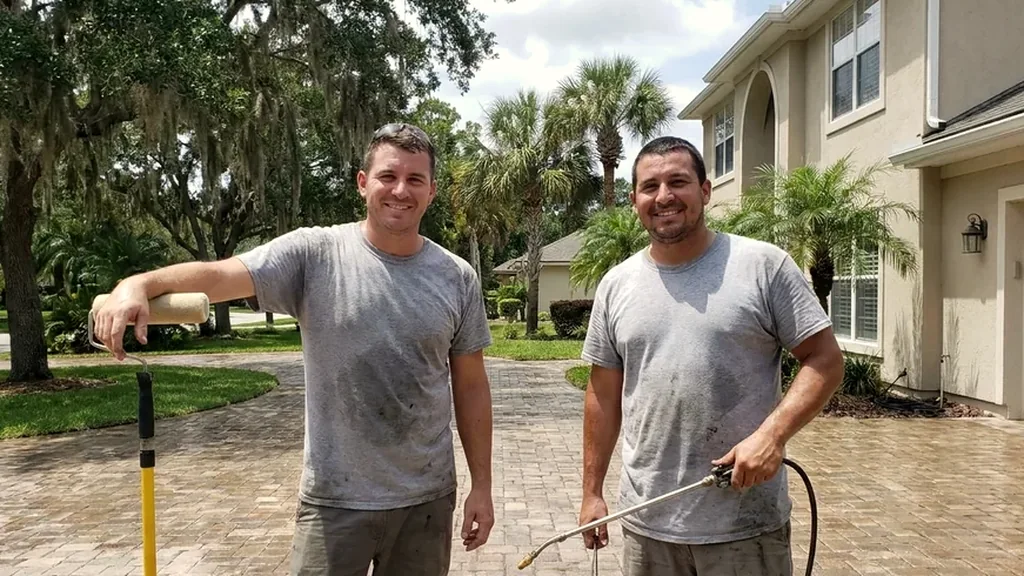
How does a paver sealing job work in Westchase?
Identify the old coat and check the edges
The contractor starts by looking at your Westchase pavers and testing for an earlier coat. On a community that began in 1991, there may be one or two. Water-based sealer cannot go over solvent-based sealer, so the product on the surface sets the plan. Sunken or lifted pavers, often along a pond edge, are marked for repair first. Photos of the pavers before the job help you compare later. Take a few photos of stains you care about, so they are not missed.
Wash out the dark stains and algae
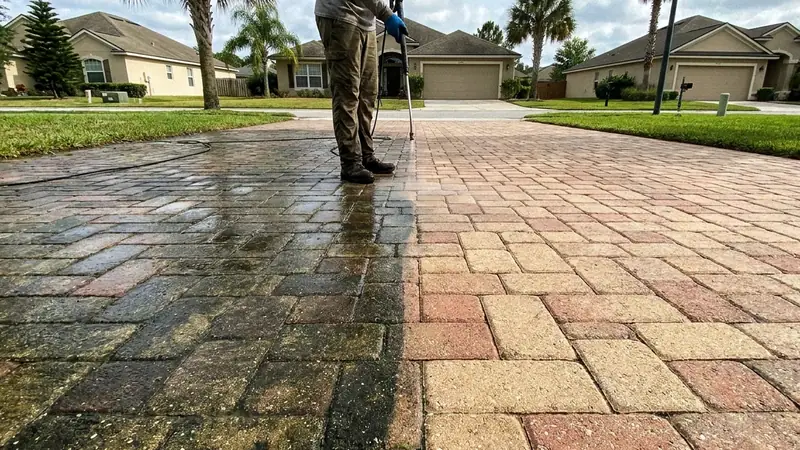
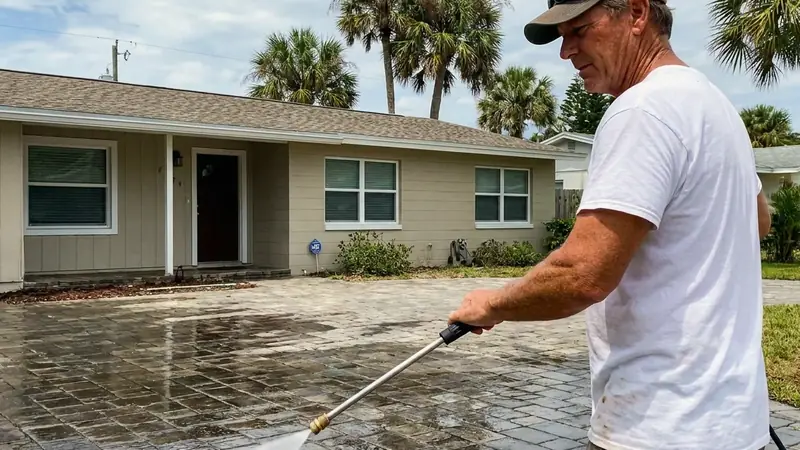
The wash lifts algae, dark staining, leaf marks and rust. Rinse water stays off the grass edge and away from screens and pool water. Clean pavers matter because sealer locks in whatever is left. Pavers beside ponds may need a second pass. A final rinse leaves the surface ready for sand. On courtyards with decorative inlays, the contractor takes care around the borders.
Re-sand the joints
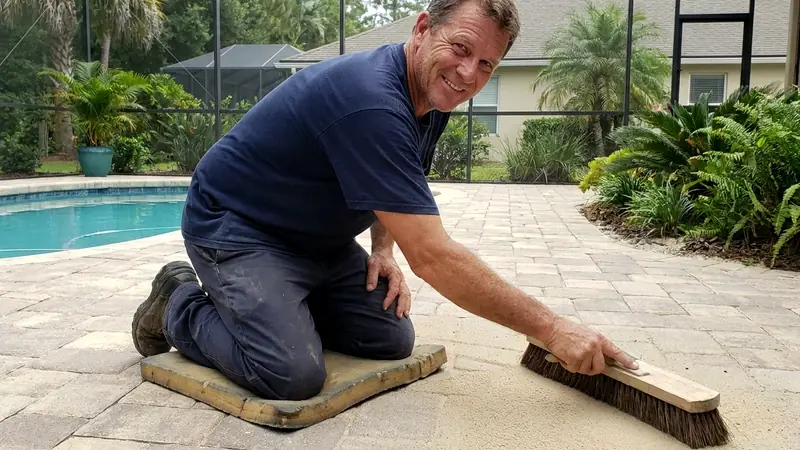
Washing pulls out the joint sand, and new sand goes in before the coat. On older driveways, joints may be low everywhere, and filling them takes patience. Full joints keep soil out and weeds from starting. After that, the surface is brushed clean. If rain falls before the coat, the joints get a quick check again. This is also when worn or sunken pavers get reset, so the finished surface sits level.
Wait for the surface to dry
Sealer needs a dry surface. Shade from mature trees and nearby water slow drying in Westchase, and afternoon storms arrive often from late May on. A patient contractor holds off instead of coating damp pavers. Ask what the plan is if the weather turns. Shade from a mature oak can add hours, and nearby water can add more. On a quiet pond-side patio, that can mean sealing in the late morning, after the dew is gone.
Apply the finish you picked
The coat goes on as matte or wet look. Matte keeps a quiet, natural tone, and wet look deepens the color and adds gloss. Two to five years is the span between coats that companies quote. Ask how long to stay off the surface, and keep the product name for next time. A walkthrough at the end lets you point out any spot you want a second look at. Ask the contractor for a short written note on what went on, with the product name and finish.
Complete paver services in Westchase
A Westchase job runs in four stages: wash, new sand, dry-out, seal. The wash comes first because shade and pond air leave dark film. Sand follows, and the coat goes on last so nothing dirty sits under it. For the timing at your house, call (656) 254-3514.
Driveways take tires and sprinkler spray, and courtyards and lanai extensions sit in shade for part of the day. Walkways beside ponds hold moisture longest. Community-style pool decks need a finish that suits bare feet. Tell the contractor which surfaces you want sealed when you send a free estimate request.
Sealer choice is water-based or solvent-based, in matte or wet look. An older coat limits what can go on top, since the two types do not mix. In a village with a coordinated look, matte is the quieter pick. Call (656) 254-3514 to talk through which suits your home.
Westchase's rainy season runs from late May through early October, and afternoon storms can move a date. Pavers by a pond may stay wet well after a sunny driveway has dried. The contractor may start with the dry surfaces and finish the shaded ones later. For a date that works, send a free estimate request.
Questions to ask before you hire
- How do you handle the green algae that grows on my shaded north-facing side?
- How do you protect my landscaping and the grass edges from the sealer and the wash water?
- Do you use a film-forming sealer or one that soaks into the paver, and why for my driveway?
- Is the work covered in writing if the sealer peels or turns cloudy?
- Can my HOA see the sealer name and finish before you start?
- How long before I should expect to reseal in Florida sun and summer rain?
- Will the sealer change the color of my pavers, and can I see a sample patch first?
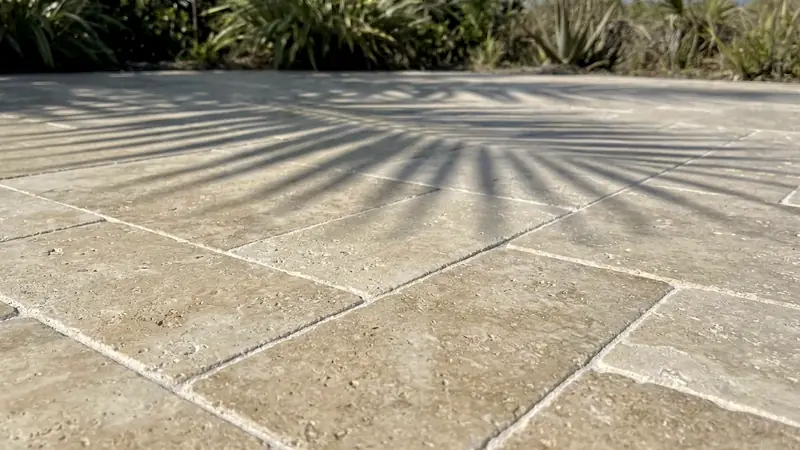
What do sealed pavers look like around Westchase?
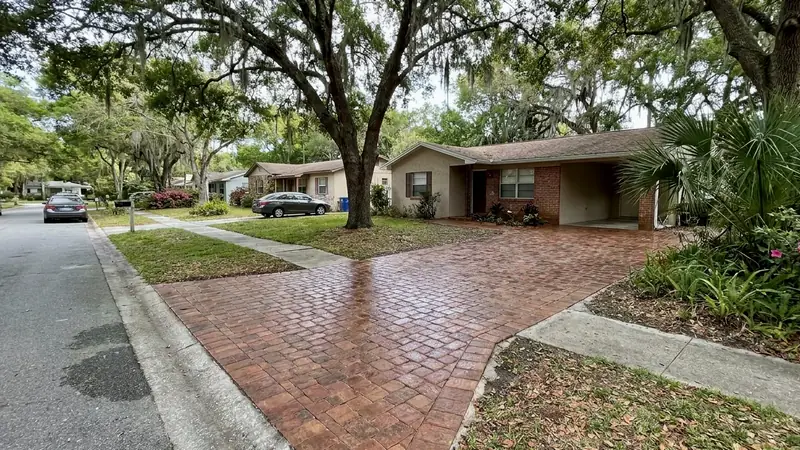
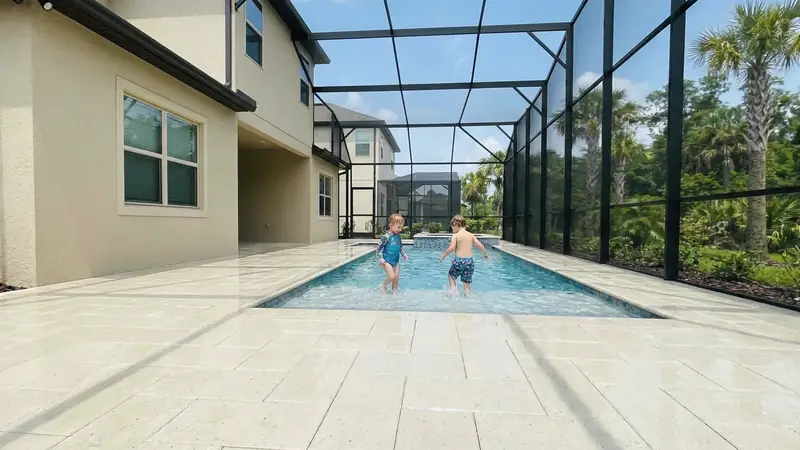
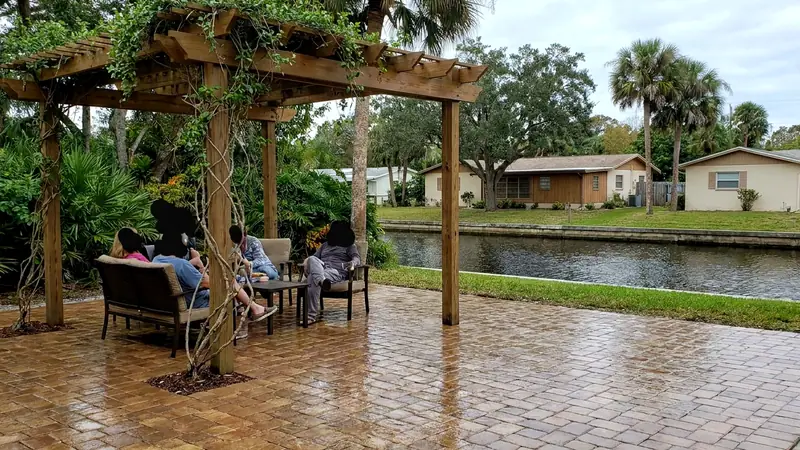
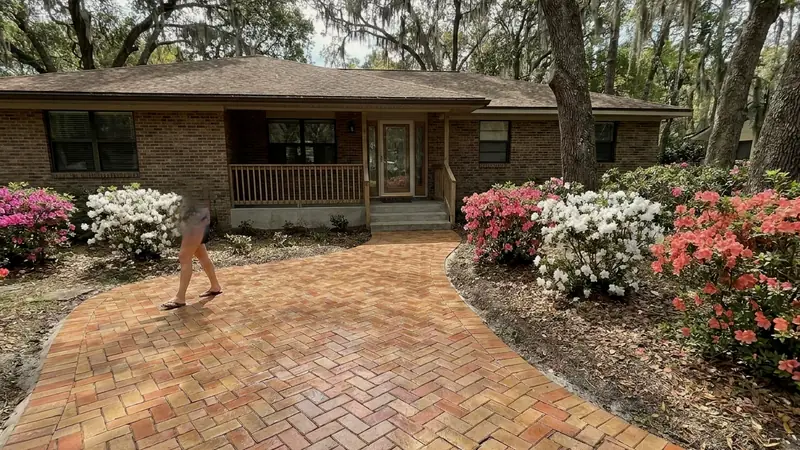
Why local matters in Westchase
Why can pavers here be thirty years old or three?
A contractor who works Westchase knows the community was built in stages beginning in 1991. That means your pavers might be thirty years old, or three. The first visit should cover how old yours are and what has been done to them. To reach a contractor who works the villages near Oldsmar and Citrus Park, call (656) 254-3514.
Why ask about village rules first?
Knowing the village system helps too. Each of the 28 villages elects its own voting member, and rules on exterior changes can differ. A contractor who has seen that will ask about it before choosing a finish. You can send a free estimate request and mention your village name.
Why does pond air slow drying?
Water is part of daily life here, with ponds, conservation areas and golf greens near many homes. A local contractor plans for slow drying and for algae. That planning saves a wasted visit. To get the plan spelled out, send a free estimate request and ask.
What makes Westchase different from older Tampa suburbs?
How was Westchase planned?
It was planned from the start. Westchase was founded in April 1991 with county approval, and construction began that September. Two community development districts, which look after common areas, merged into one in 2011. If your pavers date from the 1990s, send a free estimate request and ask if a reseal is due.
Which landmarks help place you?
Landmarks help you place yourself. The Westchase Golf Course, designed by Lloyd Clifton, anchors the community, while Tampa Bay Downs has run races since 1926 on the western edge. West Park Village brings shops and restaurants close to many homes. By any of these places, call (656) 254-3514 and give your street.
What do homes here look like?
The 2020 census counted 10,959 housing units in Westchase, and 37.6 percent of households had children under 18. A local company says brick paver driveways, courtyards and lanai extensions match the community's style, and that mature trees often shade pavers, which slows drying and can encourage algae and dark staining. To describe your shade, send a free estimate request.
Frequently Asked Questions
How often should pavers be resealed in Florida, and in Westchase?
Two to five years is the span between coats that companies quote. Shady driveways beside ponds in Westchase may keep their coat a bit longer, while a pool deck in full sun may wear faster. A local contractor can judge your pavers at the free estimate. Pavers beside a pond may sit at the short end, so ask what your wear says. Ask the contractor to walk you through how worn your coat is.
Is spraying or rolling the better way to seal pavers?
Many contractors spray it on and then back-roll it so it reaches into the joints and covers evenly. Prep matters more than the method, since sealer over dirt traps the dirt. Ask the contractor how your Westchase job will be applied. On pavers that are thirty years old, prep decides how well the coat holds.
Which paver sealer should be used in Florida, including Westchase?
The right one depends on your pavers and what is already on them. Water-based sealer cannot go over solvent-based sealer, and matte and wet look give different results. Get the product name and finish from the contractor before work begins. Many owners pick matte so the finish stays quiet beside the neighbors.
What does an average paver sealing job cost in Westchase?
A clean, sand and seal job in Tampa Bay carries a published range of $1.25 to $2.50 a square foot, and Westchase homes are priced the same way. A Westchase driveway with a courtyard and lanai adds area, so the total rises even at the same rate. Ask for the area in the quote. The estimate is free, and the contractor can measure the area during the visit. Seeing it itemized makes bids easier to compare.
What is the catch to sealing pavers in Westchase?
Sealer wears away and calls for a fresh coat later, and wet look scuffs faster than matte. It also needs a dry surface, which can delay a lot beside a pond. Ask the contractor about each before you decide. Dark staining and old sealer add prep time, so they can lift the total.
What should sealing outdoor pavers in Westchase cost?
Driveways, courtyards, lanais and pool decks all price by the square foot within the same Tampa Bay range. A larger layout means a bigger total. The estimate is free and lists each area. That keeps a village's look even from one street to the next.
Do I need village approval to seal my pavers in Westchase?
That depends on your village and its rules, so check before work begins. Westchase is organized into 28 villages. The contractor can give you the sealer name and finish to share. Walkways beside ponds are the usual spot, and they often need a repeat wash. A short note with the product details is usually enough for a board.
Why do my pavers turn dark near the pond?
Shade and nearby water keep pavers damp, and damp pavers can grow algae and dark staining. A wash clears it, and sealing after a full dry helps slow it down. Sprinkler overspray can add to it. Sealing is a good moment to ask for a sample patch, which costs nothing.
Ready for a Free Estimate in Westchase?
Call (656) 254-3514 and tell us about your pavers.
Free, no obligation